Maximum Roof Ventilation in Ontario: Why Maximum Vents Outperform Ridge Vents in Heavy Snow Areas
When it comes to protecting your home in Ontario and Northern Canada, proper roof ventilation is one of the most overlooked parts of a roofing system. Many homeowners focus on shingles or steel roofing materials, but ventilation plays a major role in how long your roof lasts, how energy efficient your home is, and how well your attic handles harsh winter conditions. At Roof Pros Plus, we install roofing systems built for real Canadian weather. Snow loads and freezing temperatures create unique ventilation challenges, that’s why we often recommend Maximum roof vents over ridge vent systems for many homes. In this blog, we’ll explain what Maximum vents are, why they matter in Ontario’s climate, how they work, and why ridge venting is not always the best solution unless your home has a cathedral ceiling design.
What is a Maximum Roof Vent?
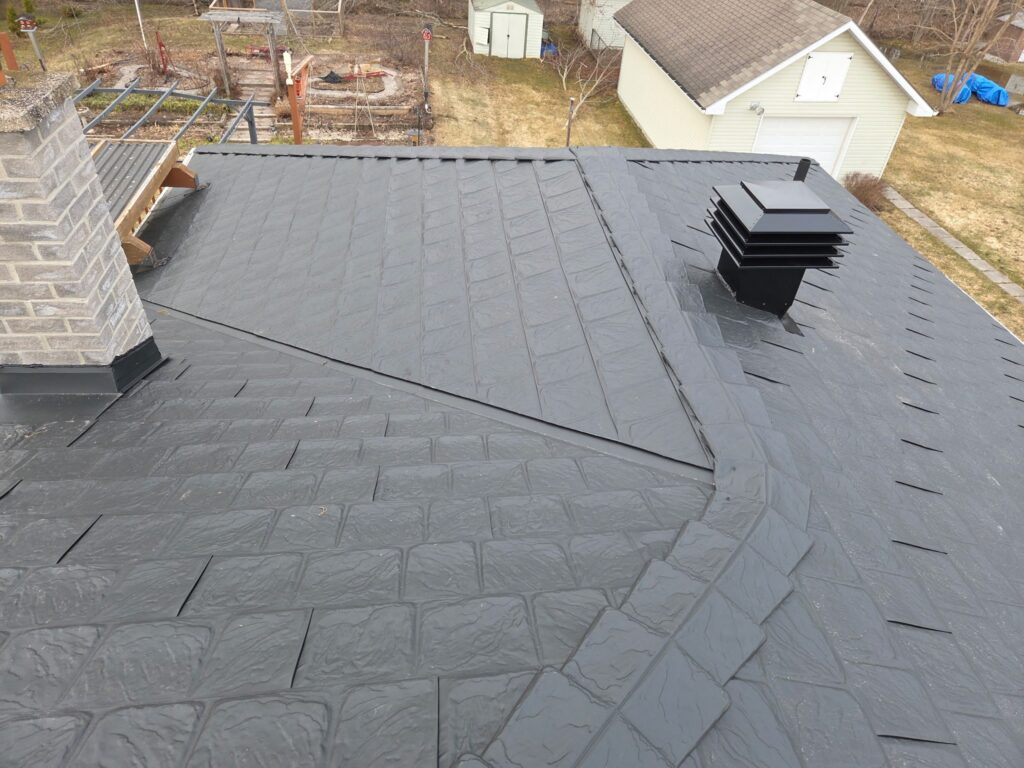
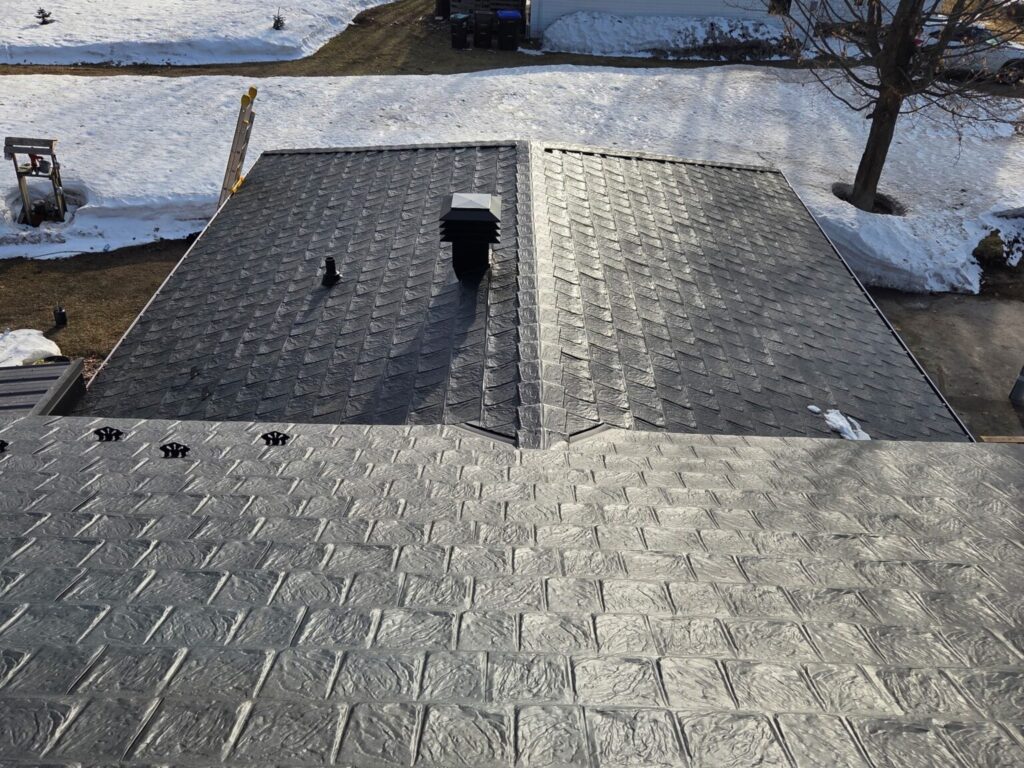
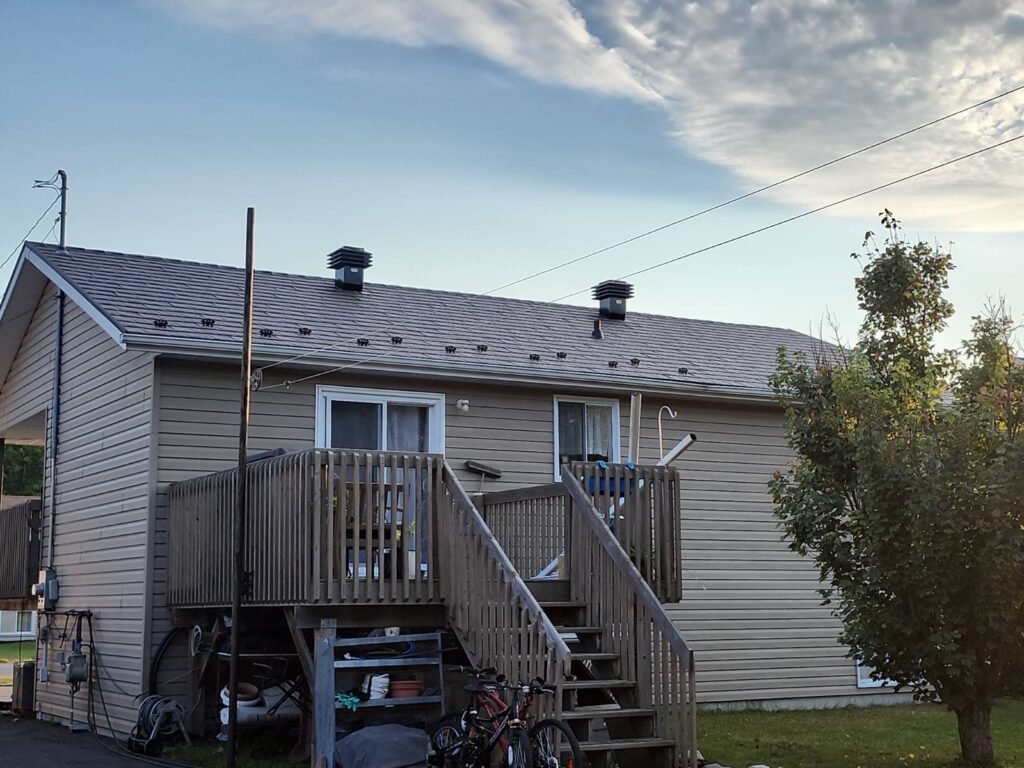
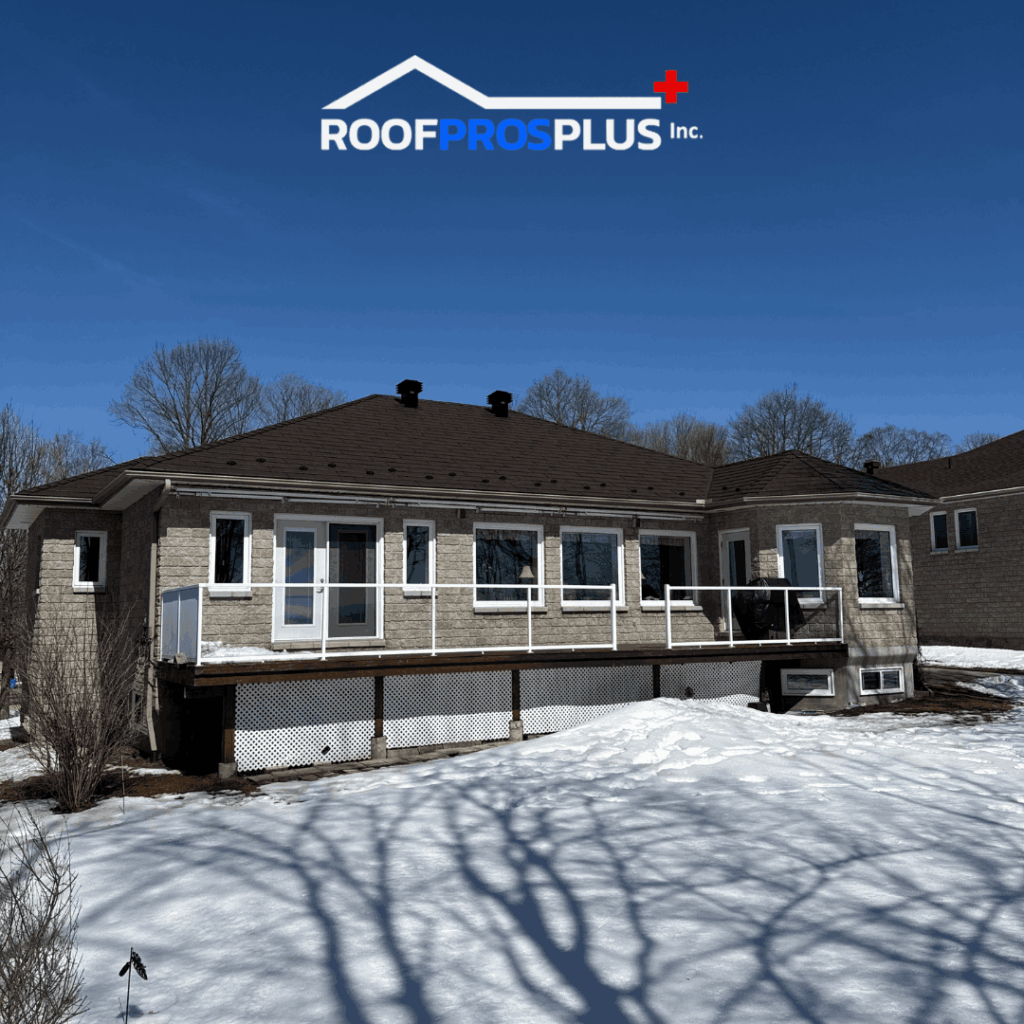
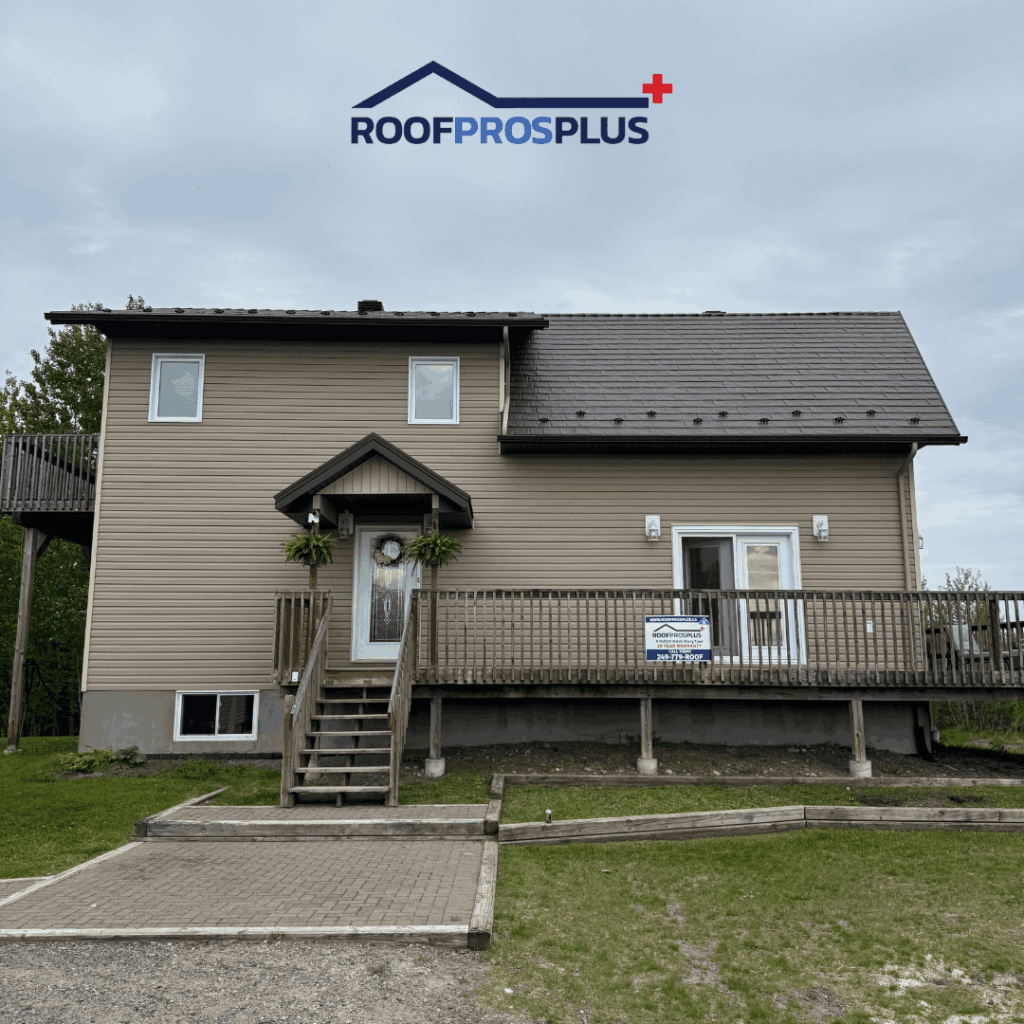
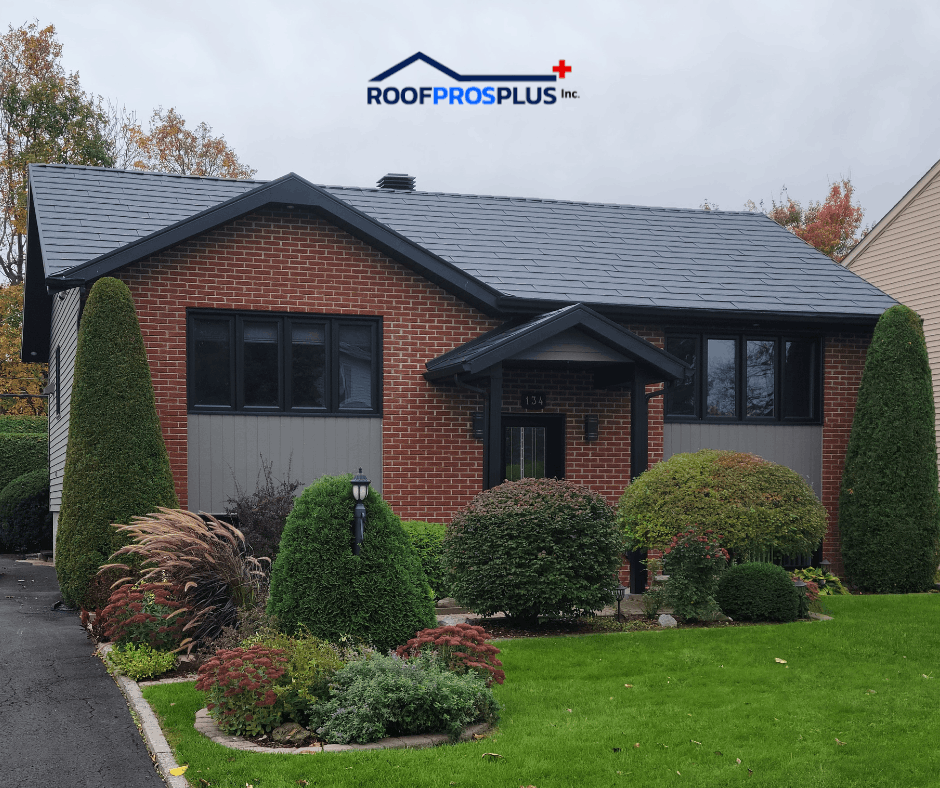
A Maximum roof vent is a high-performance attic ventilation system designed to remove heat, moisture, and trapped air from your attic space year-round. Unlike smaller static vents, Maximum vents are larger and engineered to improve airflow even during extreme weather conditions. They are especially popular on metal roofing and steel roofing systems throughout Ontario because they continue functioning even during heavy snowfall. Maximum vents are installed near the peak of the roof and work alongside proper soffit ventilation to create balanced airflow throughout the attic.
Why It Matters
In Ontario and Northern Canada, snow accumulation is a serious factor when designing a roofing ventilation system. Traditional ridge vents can become buried under snow and ice during the winter months, limiting airflow right when your attic needs it most.
Poor attic ventilation can lead to:
- Ice damming
- Excess attic moisture
- Mold and mildew growth
- Premature roof deterioration
- Higher heating and cooling costs
- Reduced lifespan of your roofing system
This becomes even more important for homeowners investing in steel roofs or metal roofing systems, because proper ventilation helps maximize the lifespan and performance of the roof. At Roof Pros Plus, we’ve seen firsthand how poorly ventilated attics can damage homes across Northern Ontario. Maximum vents help maintain consistent airflow above the snow line, making them a much more reliable solution in our climate.
Key Components
A proper attic ventilation system includes:
- Maximum roof vents
- Soffit vents
- Proper attic insulation
- Airflow channels/baffles
- Moisture control barriers
- Balanced intake and exhaust ventilation
Each part works together to create healthy airflow through the attic space.
How It Works
Maximum vents work by allowing rising warm air and moisture to escape from the attic while drawing fresh air in through the soffits below. This continuous airflow helps regulate attic temperatures and reduce condensation buildup. During Ontario winters, warm air from inside the home naturally rises into the attic. Without proper ventilation, that warm air gets trapped, causing snow on the roof to melt unevenly. When temperatures drop again, the melted snow refreezes at the roof edges, creating ice dams.
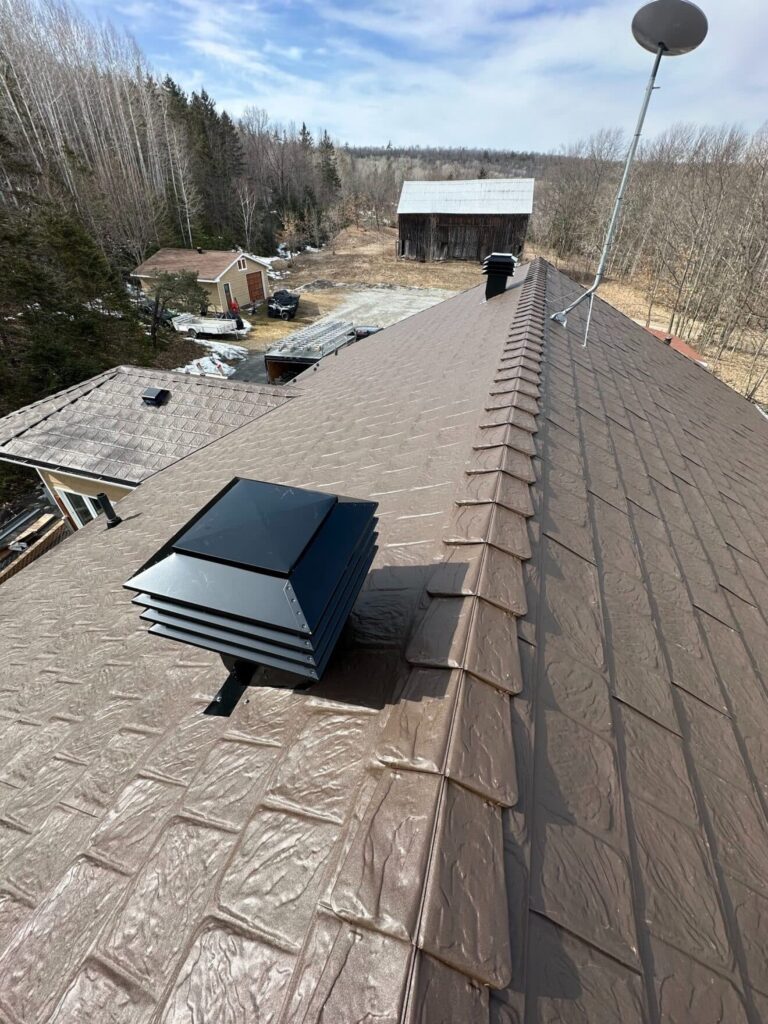
Because Maximum vents sit higher and have a larger profile than ridge vents, they are less likely to become blocked by heavy snow accumulation. This allows ventilation to continue functioning throughout the winter. Ridge vents can still be effective in certain applications, particularly on cathedral ceiling designs where airflow pathways are specifically engineered for ridge exhaust systems. However, on many traditional attic structures in Northern Ontario, Maximum vents provide more reliable winter performance.
Best Practices
To get the best performance from your roofing ventilation system:
- Ensure soffit vents are never blocked by insulation
- Use balanced intake and exhaust ventilation
- Choose ventilation systems designed for Ontario winters
- Inspect attic ventilation annually
- Remove excess attic moisture sources
- Work with experienced metal roofing contractors
- Avoid relying solely on ridge vents in high snow-load regions
- Pair proper ventilation with quality insulation
A properly ventilated attic can significantly improve the lifespan of your roof and help protect your investment for decades.
FAQ
Are Maximum vents better than ridge vents in Ontario?
In many Northern Ontario applications, yes. Maximum vents are less likely to become buried under snow and continue providing airflow during harsh winters.
Why can ridge vents be a problem in heavy snow areas?
Ridge vents sit directly along the roof peak and can become covered by snow buildup, restricting attic ventilation when it is needed most.
When are ridge vents a good option?
Ridge vents can work well on homes with cathedral ceilings or specially designed ventilation systems that allow proper airflow throughout the roof assembly.
Do metal roofs require special ventilation?
Yes. Metal roofing systems perform best with proper attic ventilation to control condensation, regulate temperatures, and maximize roof lifespan.
Can poor ventilation damage my roof?
Absolutely. Poor attic ventilation can lead to moisture buildup, mold growth, wood rot, ice damming, and premature roof failure.
How do I know if my attic ventilation is inadequate?
Signs include excessive attic heat, frost buildup in winter, mold, musty smells, ice dams, or uneven roof temperatures.
Protect Your Home with the Right Ventilation System
Choosing the right roofing ventilation system is just as important as choosing the right roofing material. In Ontario and throughout Northern Canada, your roof needs to withstand snow, ice, moisture, and extreme temperature swings year after year.
At Roof Pros Plus, we specialize in high-quality metal roofing and steel roofing systems designed specifically for Canadian weather conditions. Our team understands what works in the North because we install roofs in these environments every day. If you’re considering a new metal roof or want to improve your attic ventilation, contact Roof Pros Plus today for a professional assessment and expert recommendations tailored to your home.


