Ice Damming in Ontario: Why It Happens and How Metal Roofing Helps Prevent It
Introduction
Ontario winters place extreme demands on residential roofing systems. Heavy snowfall, extended cold periods, and frequent freeze–thaw cycles create the perfect conditions for one of the most common winter roofing issues homeowners face: ice damming. Across Northern Ontario, Roof Pros Plus regularly responds to damage caused by ice dams on aging or improperly designed roofs.
As an Ontario metal roofing company, we believe homeowners deserve roofing systems that are engineered for our climate, not adapted after the fact. Ice damming is not simply a winter inconvenience; it is a sign that a home is struggling to manage snow, heat, and moisture effectively. With the right materials, installation, ventilation, attic design insulation, ice damming can be significantly reduced or avoided altogether.
What Is Ice Damming and Why Is It a Problem?
Ice damming occurs when snow melts on the upper portion of a roof and refreezes near the eaves. This refrozen water forms a ridge of ice that prevents additional meltwater from draining off the roof. As water backs up behind the ice dam, it can seep underneath roofing materials and into the home.
Over time, ice dams can cause interior leaks, damaged insulation, stained ceilings, mold growth, and deterioration of roof decking. In many cases, the damage is not immediately visible, which makes ice damming one of the most costly and destructive winter roofing problems in Ontario.
Why Ice Damming Is So Common in Ontario Homes
Ontario’s climate is uniquely challenging for roofing systems. Ice dams are typically caused by heat escaping from the home into the attic and roof deck. When warm air rises and heats the roof surface, snow begins to melt, even when outdoor temperatures remain below freezing. As this meltwater flows down the roof, it reaches colder areas near the eaves that extend beyond the heated structure of the house. The water refreezes, gradually forming an ice dam. Repeated freeze–thaw cycles, which are common across Northern Ontario, allow ice to build quickly and persist for long periods. Roofing material, attic insulation and design, ventilation, and roof design all play a role in determining how severe ice damming becomes.
Why Asphalt Shingles Increase the Risk of Ice Damming
Many Ontario homes are still covered with asphalt shingles, but asphalt roofing performs poorly in harsh winter conditions. The rough, granular surface of asphalt shingles traps snow, preventing it from shedding naturally. As snow accumulates, it melts unevenly and refreezes at the roof edges.
As asphalt roofs age, they become even more susceptible to ice dam damage. Cracked shingles, worn underlayment, and exposed fasteners make it easier for backed-up water to penetrate the roof system. For homeowners who experience recurring winter leaks, asphalt roofing is often a contributing factor.
How Metal Roofing in Ontario Reduces Ice Damming
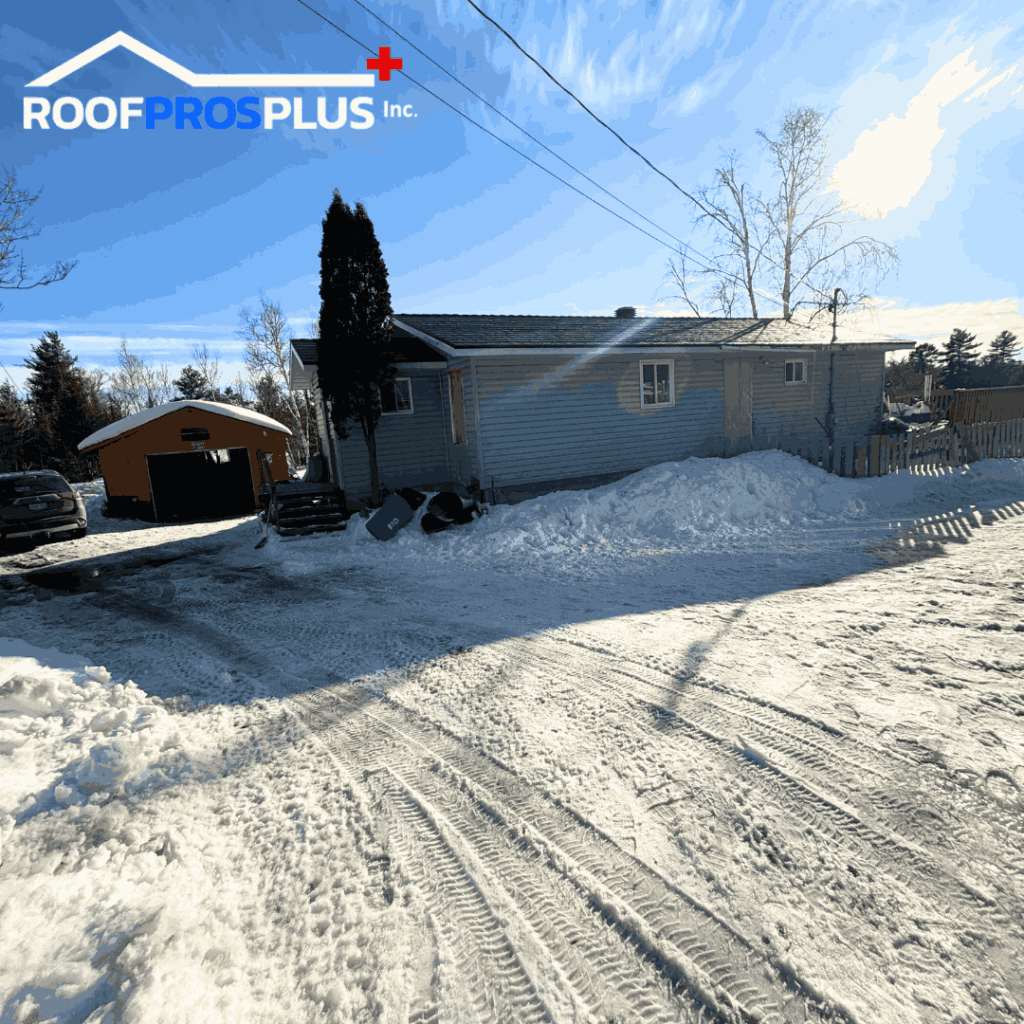
Metal roofing offers a fundamentally different level of winter performance. At Roof Pros Plus, we install premium steel roofing systems manufactured in Ontario and designed specifically for Canadian winters. One of the key advantages of a metal roof in Ontario is its ability to shed snow efficiently.
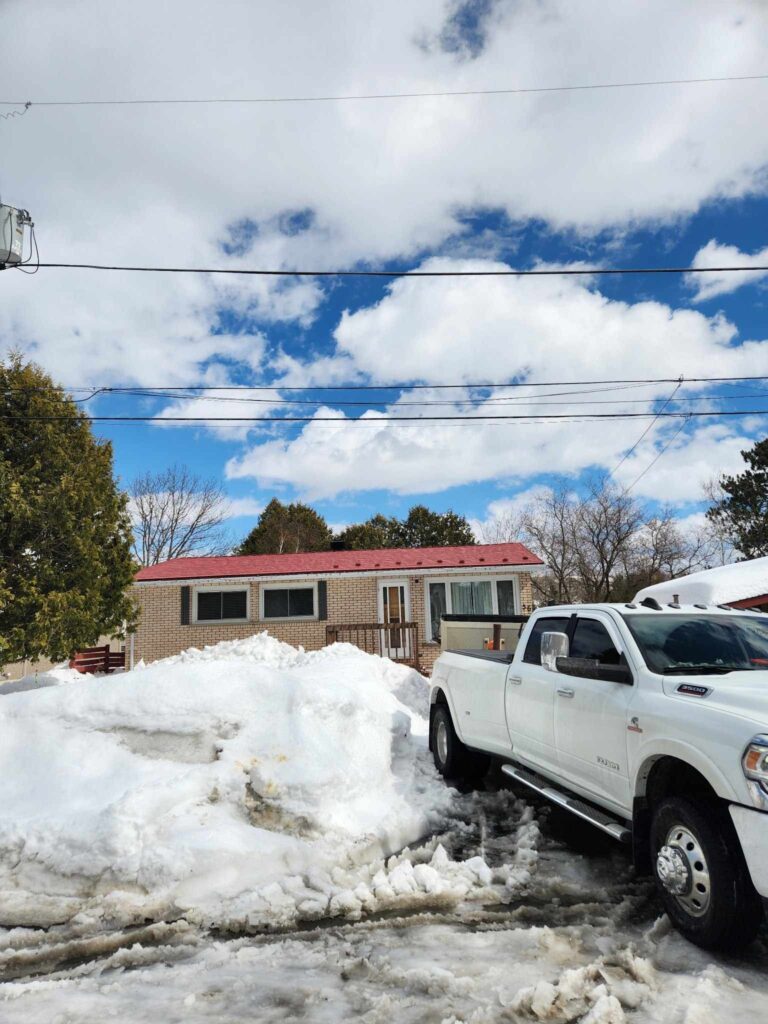
The smooth surface of metal roofing allows snow to slide off before it has time to melt and refreeze. This reduces snow buildup, limits uneven melting, and significantly lowers the risk of ice dam formation. Metal roofs also maintain more consistent surface temperatures, helping prevent the hot-and-cold zones that contribute to ice dams. In addition, steel roofing systems provide superior protection against water intrusion. Interlocking panels, concealed fasteners, and high-performance underlayments add multiple layers of defense, even during extreme winter conditions. For homeowners looking for long-term protection, metal roofing in Northern Ontario is one of the most effective solutions available.
The Role of Attic Insulation and Ventilation
Even the best metal roofing system relies on proper attic design and insulation to perform at its highest level. Inadequate insulation allows heat to escape into the attic, warming the roof deck and accelerating snow melt. Without proper insulation, ice damming can occur regardless of roofing material.
Ventilation is equally important. Balanced attic ventilation allows cold air to enter at the eaves and warm air to exit at the roof peak. This airflow keeps the roof deck closer to the outdoor temperature, reducing the melt-and-refreeze cycle that leads to ice dams. As experienced metal roofing contractors in Ontario, Roof Pros Plus evaluates the roofing system including ventilation, rather than treating ice damming as a surface issue alone.
Additional Ice Dam Prevention Measures
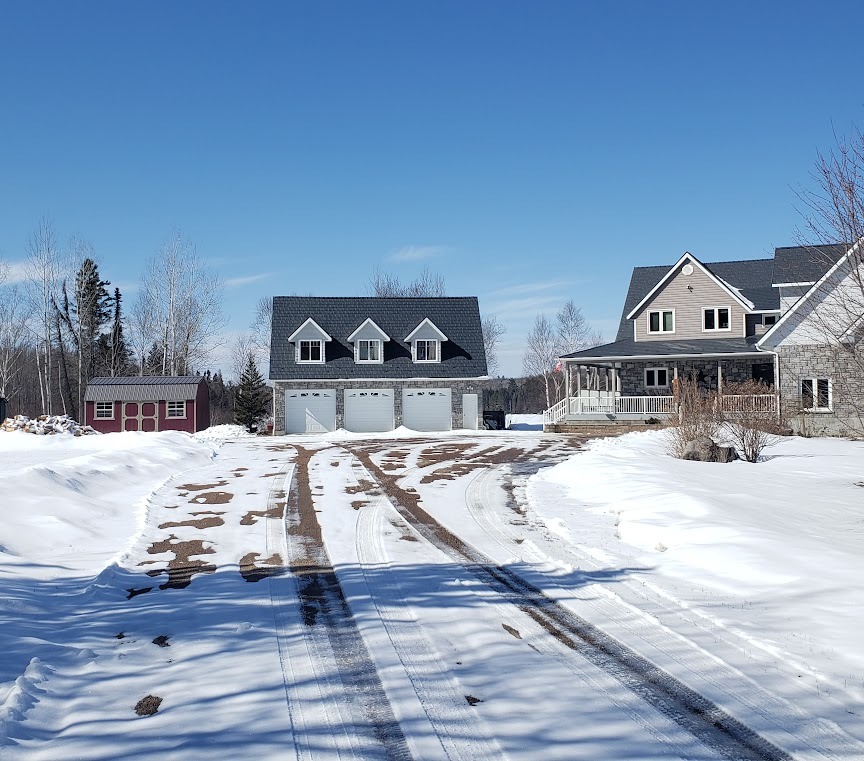
In some cases, additional preventative solutions may be beneficial. Heat traces, also known as heating cables, can be installed in valleys, gutters, and problem areas to create controlled drainage paths for meltwater. When properly installed, heat traces help prevent refreezing at critical points. Regular snow removal after major storms can also reduce the likelihood of ice dams. This process is far easier and safer on a metal roof than on asphalt, as metal roofing is designed to release snow and withstand winter maintenance without damage. While it is not recommended to go up on your metal roof during the winter, things like snow rakes can be purchased and help quickly and easily remove snow off the roof while remaining safely on the ground.
Made-in-Ontario Metal Roofing for Ontario Winters
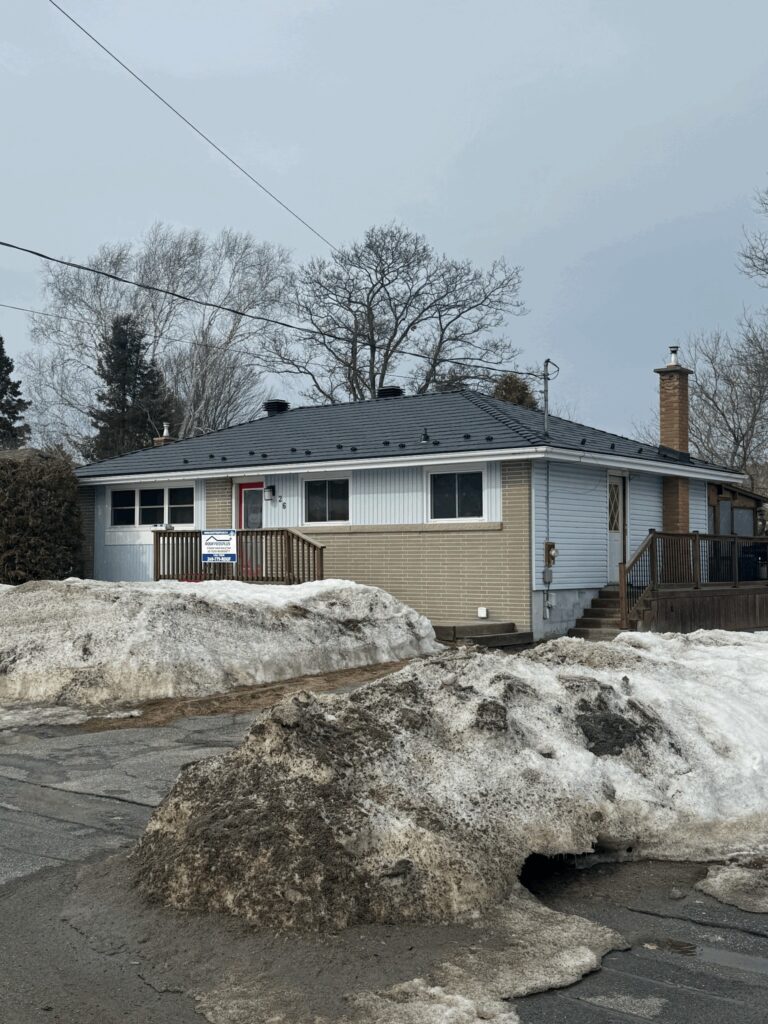
Our steel roofing systems are proudly manufactured in Ontario, using materials designed to handle heavy snow loads, temperature extremes, and long winter seasons. Choosing locally made metal roofing means investing in products that are tested in the same climate your home faces every year.
At Roof Pros Plus, we install metal roofing systems across Northern Ontario that are built for performance, durability, and long-term value. Supporting Ontario manufacturing also ensures consistency, quality control, and roofing solutions tailored to our region.
Conclusion: A Smarter Roofing Solution for Ice Damming
Ice damming is not inevitable. It is the result of material limitations, heat loss, and improper roof design. By choosing metal roofing in Ontario, ensuring proper attic insulation and ventilation, and implementing smart winter maintenance practices, homeowners can dramatically reduce their risk of ice-related damage.
A professionally installed metal roof, manufactured in Ontario and designed for Canadian winters, offers one of the strongest defenses against ice dams available today. If you are looking for a long-term roofing solution that works with Ontario’s climate, not against it, Roof Pros Plus is here to help.


