
Metal Roof vs Shingle Roof Energy Savings in 2026
Introduction
When homeowners start planning a new roof, one of the biggest questions they ask is no longer just about appearance or initial cost, it’s about long-term performance, durability, and especially energy efficiency. In 2026, with rising utility rates and more unpredictable weather across Canada, the conversation around metal roof vs asphalt shingles has become more important than ever.
At Roof Pros Plus, we speak with homeowners every week who are trying to decide between metal roofs and asphalt shingle roofs. Some are replacing an aging existing roof, some are dealing with damaged shingles, and others are building a home and want the best possible roofing material from the start. No matter the situation, one thing is clear: the type of roof you choose can have a major impact on your comfort, your energy bills, your maintenance needs, and your long-term home value.
While asphalt shingles have long been one of the most common traditional roofing materials, today’s homeowners are increasingly comparing them against high-performance steel roofing and modern metal roofing panels. And for good reason. The difference between metal and shingles goes far beyond looks. It affects heat absorption, cooling costs, winter durability, environmental impact, and how many times you may need to replace your roof over the life of your home.
In this guide, we’ll provide a detailed side-by-side comparison of metal and shingle roofs, focusing specifically on energy costs, seasonal performance, and return on investment. We’ll also explain why properly installed metal roofs, especially premium systems like the ones we install at Roof Pros Plus, continue to outperform many other roofing materials in real-world Canadian conditions.
If you’re trying to decide between metal roof vs asphalt shingles, this article will help you make the smartest long-term decision for your home.
How Roofing Materials Impact Energy Efficiency
Your roof does far more than keep bad weather and animals out. It plays a major role in how your home handles heat, cold, airflow, and seasonal temperature swings. That’s why choosing the right roofing material is such a big part of improving energy efficiency.
Every roof system interacts with sunlight, outside air temperature, attic ventilation, insulation, and your home’s interior climate. In hot weather, your roof absorbs solar radiation. In winter, it influences how effectively your home retains heat. The more heat your roofing system absorbs or transfers, the harder your HVAC system has to work, and the more your energy costs rise.
This is one of the key reasons the debate around metal roof vs asphalt shingles matters so much. Different materials perform very differently when it comes to thermal movement, reflectivity, and ventilation compatibility.
Two of the most important concepts in roofing energy performance are:
- Reflectivity – how much sunlight a material reflects away
- Thermal performance – how much heat it absorbs and transfers into the home
Traditional dark-coloured asphalt roofing tends to absorb more solar heat, especially during long summer days. This increases attic temperatures and can drive up air conditioning use. By contrast, many modern metal roofs are designed to reflect radiant heat, helping reduce attic heat buildup and improve indoor comfort.
The roof deck, underlayment, ventilation design, and even roof slope also affect performance. That’s why no roofing system should ever be evaluated by material alone. The full installation process matters. At Roof Pros Plus, we always emphasize system-based performance, not just surface-level product claims.
Homeowners comparing metal and shingle roofs should understand this clearly: a roof is not just a covering. It is one of the largest thermal barriers protecting your home. Choosing wisely can lower energy bills, improve comfort, and reduce strain on your heating and cooling systems for decades.
Energy Performance of Metal Roofing
When it comes to long-term energy efficiency, metal roofs consistently stand out as one of the strongest-performing residential roofing systems available today.
One of the biggest reasons is reflectivity. Unlike traditional asphalt shingles, many premium metal roofing materials are engineered to reflect solar radiation rather than absorb it. This means less heat transfer into the attic and less indoor heat buildup during the summer months.
At Roof Pros Plus, we install premium steel roofing systems that are built for both performance and longevity. These systems are manufactured with advanced finishes and protective coating technology that help reflect sunlight, resist fading, and improve thermal performance year after year. This isn’t just a cosmetic upgrade, it directly affects how much heat your roof sends into your home.
In practical terms, that means:
- lower attic temperatures
- less air conditioner runtime
- lower cooling costs
- better indoor comfort during hot weather
This is especially valuable in areas that experience direct summer sun, fluctuating temperatures, and increasingly intense seasonal heat. Even in Canadian regions that are not known for year-round heat, homes can still see major summer attic heat buildup. That’s why many homeowners are surprised at how much installing a metal roof can help improve indoor comfort.
Another key advantage is compatibility. Metal roofing panels, metal shingles, and standing-seam systems pair extremely well with upgraded insulation, proper airflow, and modern venting strategies. When properly installed metal roofs are combined with a well-designed attic system, the result is often a significantly more energy efficient home.
Metal is also an ideal platform for future-ready upgrades like solar panels and even some solar roofing integrations. For homeowners planning long-term, that matters.
And unlike some other roofing materials, metal roofs require very little ongoing intervention to keep performing well. There’s no recurring granule loss, curling, or moisture-related breakdown that gradually weakens efficiency. You get a durable, low maintenance system designed to perform consistently.
That’s one of the biggest reasons we continue recommending premium metal roofing to homeowners who want real value, not just a lower price on day one.
Energy Performance of Shingle Roofing
There’s no question that asphalt shingles remain one of the most widely used roofing products in North America. They’re familiar, readily available, and often chosen because of their lower initial cost. But when comparing metal roof vs asphalt shingles, energy performance is one area where standard shingle systems often fall behind.
Most asphalt shingle roofs, especially darker colours, tend to absorb and retain heat rather than reflect it. That means during warmer months, the roof surface can become significantly hotter, which increases attic temperatures and makes your cooling system work harder. Over time, that can contribute to higher energy bills and greater seasonal strain on HVAC systems.
This is one of the biggest practical differences in the metal roof vs asphalt shingles conversation. While asphalt shingles typically offer a slightly more affordable upfront option, they often do less to help homeowners control long-term energy costs.
There are some improvements in modern shingle manufacturing. Certain architectural shingles, composite shingles, and energy efficient asphalt shingles are now marketed as “cool roof” options. These products are designed to reflect more sunlight than older-style traditional asphalt shingles, which can help reduce surface temperatures somewhat.
However, even with these advancements, most shingle roofs still do not match the reflective and thermal advantages of premium steel roofing or coated metal panels. Another factor homeowners often overlook is aging. As asphalt roofing systems weather over time, they can become less efficient due to granule loss, surface deterioration, moss growth, moisture wear, as well as cracking and UV fatigue.
This leads not only to performance decline, but also to more frequent repairs and earlier replacement needs. Especially in climates such as Ontario, where roofs are constantly facing all seasons. Shingle roofs often need minor repairs, patching, or full replacement sooner than metal systems, especially in climates with heavy rain, heavy snow, freeze-thaw cycles, and strong UV exposure.
That doesn’t mean asphalt has no place. For some homeowners, asphalt shingle installation may fit the budget and short-term goals. But if the priority is lower long-term energy costs, reduced heat absorption, and stronger lifecycle value, asphalt usually has clear limitations.
Summer Cooling Cost Comparison
If your home gets hot in the summer, your roof may be one of the biggest reasons why. When comparing metal roof vs asphalt shingles, summer performance is where the energy difference often becomes most noticeable. During prolonged sun exposure, asphalt shingles tend to trap and retain heat. That heat transfers downward into the attic, increasing the indoor temperature and causing your cooling system to run longer and more often.
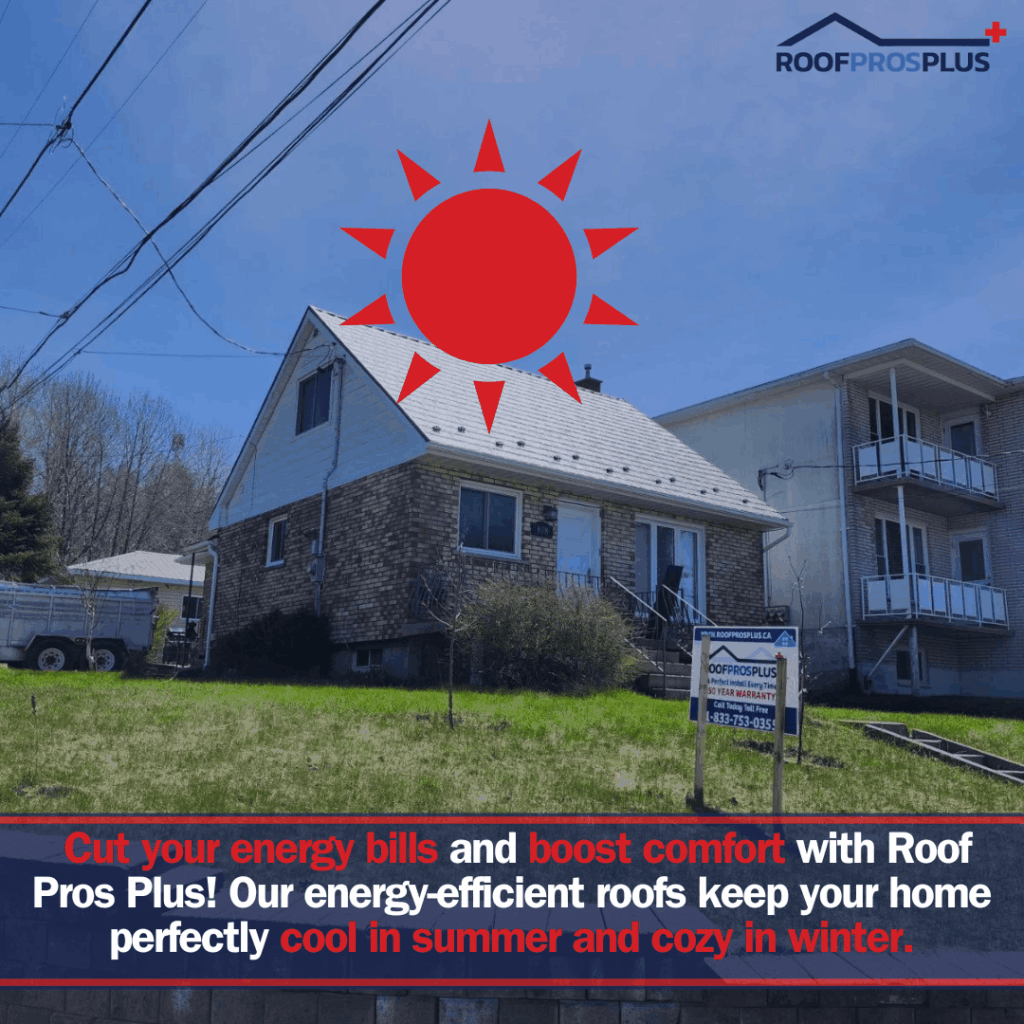
This is where metal roofs have a major advantage. Because many metal roofing materials are designed to reflect solar radiation, they can help reduce heat absorption and keep attic temperatures lower. That directly helps reduce cooling costs, especially in homes with upper-floor bedrooms, vaulted ceilings, or attic spaces that tend to overheat. In real homeowner terms, the difference often shows up like this:
- A home with older asphalt shingle roofs may feel noticeably hotter upstairs by mid-afternoon
- Air conditioning may cycle longer into the evening
- Attic spaces may trap excess radiant heat even after sunset
By contrast, a home with a premium steel roofing system and proper ventilation may:
- stay more comfortable throughout the day
- reduce attic temperature buildup
- lower AC demand
- improve overall summer comfort
This is especially important during stretches of extreme heat or hot weather, when cooling systems are already under stress. Even modest improvements in thermal performance can help reduce wear on your equipment and lower monthly utility bills.
At Roof Pros Plus, we often explain it this way: if your roof is constantly acting like a heat sponge, your home pays the price.
That’s why many homeowners who are replacing an old existing roof choose to invest in metal and shingle roofs comparison research before committing. They realize that the “cheaper” option may actually increase energy costs over time.
For homes where summer heat is a real issue, a properly designed metal roof system can be one of the smartest ways to cut unnecessary cooling costs and create a more energy efficient home overall.
Winter Performance and Heat Retention
One of the most common myths we hear is this: “Don’t metal roofs make your house colder in winter?”
The short answer is no, not when the roof is installed correctly. In the metal roof vs asphalt shingles debate, winter performance is often misunderstood. Many homeowners assume that because metal is a conductive material, it automatically means greater heat loss. But in real-world residential roofing, the roofing surface itself is not the main factor controlling winter heat retention. The real performance drivers are insulation, ventilation, air sealing, and proper system design.
In other words, whether you choose asphalt shingles or metal roofs, your home’s winter comfort depends far more on what’s happening underneath the roofing material than on the outer surface alone.
A properly built roof system includes:
- a solid roof deck
- quality underlayment
- attic insulation
- controlled airflow
- proper flashing and ventilation
That’s why properly installed metal roofs can perform exceptionally well in cold climates. In fact, they often offer major advantages in harsh winter conditions.
Premium steel roofing is excellent for shedding snow and resisting moisture buildup. In areas with heavy snow, freeze-thaw cycles, or ice buildup concerns, metal systems often outperform traditional roofing materials by reducing snow load retention and helping minimize moisture-related deterioration.
By contrast, many shingle roofs can suffer more wear over time from:
- ice damming
- trapped moisture
- granule loss
- cracking in temperature swings
- repeated winter expansion and contraction
This is one of the reasons asphalt systems often require more frequent maintenance and earlier replacement in colder regions.
At Roof Pros Plus, we’ve seen firsthand how premium metal roofing stands up in tough Canadian weather. When homeowners want a roof built for real winters, not just brochure promises, metal continues to prove itself as one of the most durable and efficient long-term choices available.
So if you’re comparing metal roof vs asphalt shingles for winter performance, remember this: heat retention is not about whether the outer layer is metal or asphalt. It’s about whether the entire system is designed and installed the right way.
The Role of Coatings and Technology in 2026
The roofing industry has changed dramatically over the last decade, and in 2026, performance technology plays a bigger role than ever in determining how energy efficient a roof can be.
This is especially true when comparing modern metal roofs to standard asphalt shingles.
Today’s premium metal roofing materials are not just raw metal sheets. High-quality systems are engineered with advanced finishes, baked-on coatings, and weather-resistant surface technologies that improve reflectivity, corrosion resistance, and long-term durability. These innovations help reduce solar heat gain, maintain appearance longer, and improve overall energy efficiency.
At Roof Pros Plus, this is one of the biggest reasons we stand behind the premium products we install. Not all metal panels, metal shingles, or metal roofing panels are created equal. The quality of the steel, the finish system, and the manufacturing standards all matter.
A high-end protective coating can help:
- reflect UV rays more effectively
- reduce surface temperature
- resist fading and chalking
- improve lifespan in harsh weather
- maintain energy performance over time
This is where premium systems separate themselves from bargain materials.
On the asphalt side, there have also been improvements. Some newer architectural shingles and energy efficient asphalt shingles are designed with reflective granules to help reduce heat buildup compared to older traditional asphalt shingles. These are often marketed as “cool shingles” and can offer modest performance gains.
However, even with those improvements, asphalt still remains a heat-absorbing product by nature. It may perform better than it used to, but it generally does not offer the same long-term thermal advantages as advanced steel roofing systems.
Technology also matters for future compatibility. More homeowners are planning ahead for solar panels, battery systems, and integrated energy upgrades. In many cases, installing a metal roof now creates a stronger, longer-lasting platform for those future improvements, without needing another roof replacement first.
So in 2026, the energy conversation is no longer just about old roofing categories. It’s about system quality, engineering, and whether your roof is designed to perform for decades, not just survive for a few seasons.
Long-Term Energy Savings and ROI
A lot of homeowners focus heavily on the price quote they get today. That’s understandable. But if you’re seriously comparing metal roof vs asphalt shingles, the smartest question is not “Which one costs less right now?” It’s “Which one costs less over time?” That’s where long-term value changes the conversation completely.
Yes, metal roofing costs are often higher upfront than standard asphalt shingle roofs. Depending on the product, profile, complexity of the roof slope, tear-off requirements, and labor costs, metal can have a higher initial cost. Roofing estimates are often discussed per square (100 square feet), and premium metal systems generally cost more per square than basic asphalt roofing.
But that only tells part of the story.
When you look at lifecycle performance, metal roofs often deliver better overall ROI because they typically offer:
- fewer replacements
- lower maintenance demands
- fewer leak risks over time
- stronger weather resistance
- lower seasonal energy costs
- better durability in high winds, snow, and rain
Meanwhile, asphalt shingles typically come with a lower initial cost, but often create more long-term expenses through:
- earlier replacement cycles
- frequent repairs
- granule wear
- damaged shingles
- higher summer cooling costs
- more frequent maintenance
This is especially important for larger homes where roof area adds up quickly. A 2,000 to 3,000 square feet roofing project may seem more affordable with shingles at first, but over the life of the home, the math often shifts. If one system lasts decades longer and helps reduce monthly energy bills, that changes the true cost comparison.
At Roof Pros Plus, we often tell homeowners this: a roof should not be judged like a short-term expense. It should be judged like a long-term investment.
There’s also the sustainability side. Many premium metal systems contain recycled materials and are recyclable at end of life, unlike much of the waste generated by repeated asphalt shingle installation and tear-offs. Over time, fewer replacements means less landfill waste and less dependence on resource-heavy manufacturing cycles that can increase fossil fuel dependency.
If you want a roof that works harder, lasts longer, and saves more over time, premium metal roofing continues to lead in total value.
Which Option Is More Energy Efficient Overall?
If we’re answering the question honestly and directly, the winner in the metal roof vs asphalt shingles debate, strictly from an energy standpoint, is metal.
That doesn’t mean shingles have no place. But when homeowners are comparing long-term thermal performance, lower cooling costs, durability, and efficiency over the life of the home, metal roofs generally offer the stronger overall advantage.
Here’s the clearest breakdown:
Metal Roof Advantages
- Better solar reflectivity
- Lower heat absorption
- Helps reduce cooling costs
- Stronger long-term energy efficiency
- Excellent performance in cold climates
- More durable in heavy rain, heavy snow, and high winds
- Ideal for solar panels
- Typically low maintenance
- Often made with recycled materials
Asphalt Shingle Advantages
- Affordable upfront
- Familiar appearance
- More common among some roofing contractors
- Available in upgraded architectural shingles and “cool” options
But the biggest takeaway is this: no matter which material you choose, installation quality matters.
Even the best roofing product can underperform if the installation process is rushed, ventilation is ignored, or the system is not built properly for the home’s structure and local climate.
That’s why at Roof Pros Plus, we focus not just on selling a roof, but on delivering a complete roofing system. We don’t believe in cutting corners, layering over an old existing layer, or treating a major roofing project like a basic commodity install.
We believe homeowners deserve a roof that protects better, performs better, and lasts longer, and when it comes to that standard, premium metal roofing continues to prove itself as one of the best investments a homeowner can make.
Conclusion
When comparing metal roof vs asphalt shingles in 2026, the real difference is not just style or price, it’s long-term performance. Yes, asphalt shingles may offer a lower initial cost, and for some homeowners, that can feel like the easier starting point. But over time, many shingle roofs bring more upkeep, more vulnerability to weather, more heat retention, and more repeated replacement costs.
By contrast, premium metal roofs offer a stronger long-term solution. They’re more durable, more energy efficient, better at helping reduce cooling costs, and built to stand up to real Canadian weather. When properly installed metal roofs are paired with the right ventilation and system design, they can help homeowners lower energy bills, improve comfort, and avoid the cycle of recurring roofing problems.
At Roof Pros Plus, we believe your roof should do more than just cover your home. It should protect your investment, improve efficiency, and deliver long-term peace of mind. That’s why we continue to stand behind the premium steel roofing systems we install, they simply outperform many traditional roofing materials where it matters most. If you’re planning a new roof and want honest guidance on the best option for your home, we’re here to help.
Contact Roof Pros Plus today for a tailored recommendation and find out whether premium metal roofing is the right fit for your home, budget, and long-term goals.